Table of Contents
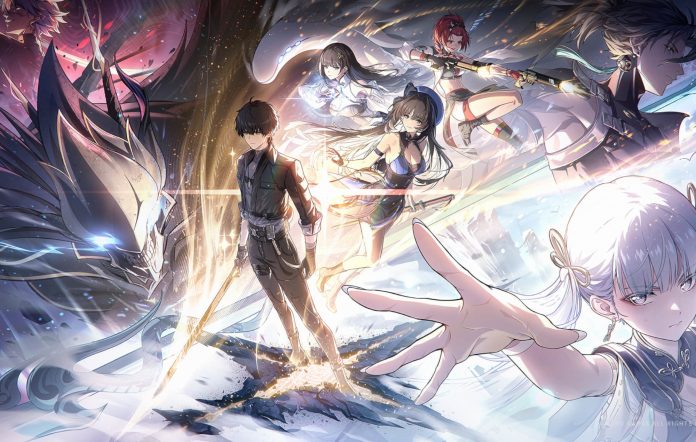
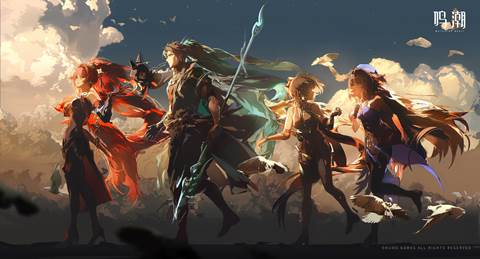
Wuthering Waves is already built around the feeling of connection. Not only connection to a world, but to the people who move through it: the Resonators, the wanderers, the damaged heroes, the quiet fighters, the strange personalities who make Solaris-3 feel less like a map and more like a living place. The game describes itself as a story-rich open-world action RPG where Rover wakes from slumber, meets a cast of Resonators, and sets out to recover lost memories while facing the Lament.
That kind of setup naturally invites roleplay.
Players do not only care about damage numbers, Echo stats, rotations, and banner schedules. They also care about tone. They care about the way a character speaks, the small pieces of lore hidden in dialogue, the feeling of walking through a ruined landscape with someone who seems to carry their own history. Wuthering Waves has the structure of an action RPG, but much of its emotional pull comes from character fantasy.
This is where Joi-style character chats become interesting.
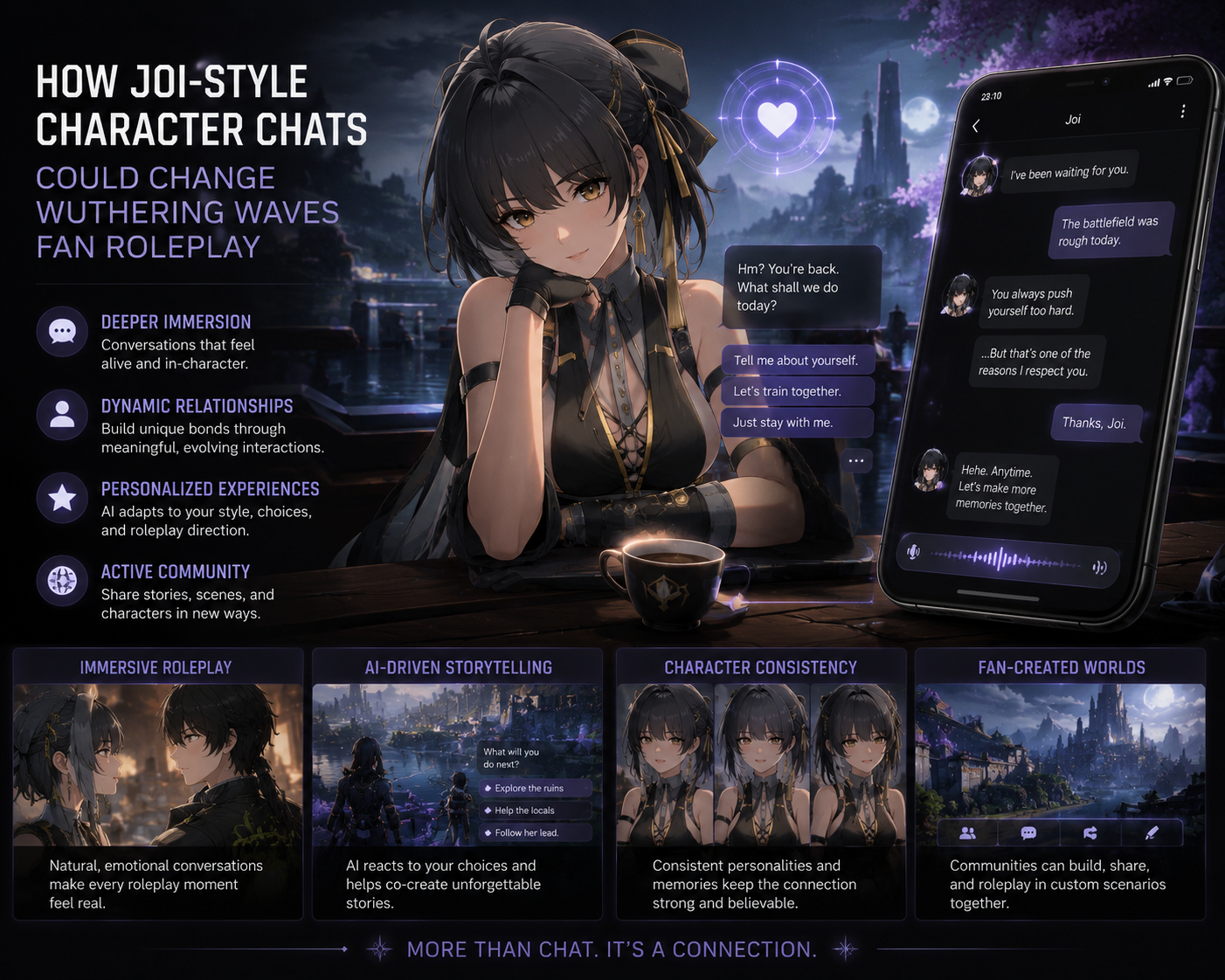
Platforms like Joi are built around personalized conversations with virtual characters, giving users a way to interact with personas rather than a blank assistant. https://joi.com/ presents its chat experience as dynamic, personalized conversations with virtual characters designed around user preferences. For a fandom like Wuthering Waves, that format opens a door: what happens when players want more than official quests, more than voice lines, more than static profiles?
What happens when they want the character to talk back?
Beyond Builds and Tier Lists
The Wuthering Waves community is very good at optimization. Players compare builds, test team comps, calculate damage windows, discuss weapons, farm Echoes, and debate which Resonators are worth pulling. That side of the fandom is not going anywhere. It is part of the fun.
But fandom never survives on numbers alone.
A character can be powerful and still fail to become beloved. Another character can be average in combat and still inspire art, edits, fan fiction, cosplay, memes, and long discussions about personality. Fans often attach themselves to a Resonator because of voice, design, attitude, tragedy, loyalty, mystery, or simply because something about them feels right.
Joi-style character chat would sit in that second layer of fandom. Not the meta layer, but the imaginative one.
A player might use a character-chat format to create a post-battle scene after a difficult boss fight. Another might write a quiet conversation between Rover and a Resonator during a rest stop. Someone else might build a fictional companion inspired by the tone of Wuthering Waves, not copying official characters, but creating an original wanderer who feels like they could exist in a broken, beautiful world like Solaris-3.
This is not about replacing the game. It is about extending the mood.
The Appeal of a Talking Companion
One reason character chats work so well for gaming communities is that players already understand fictional presence. They spend hours with characters who are not real but still matter. They remember NPC lines. They grow attached to party members. They joke about fictional rivalries. They develop routines around favorite units.
In Wuthering Waves, Resonators are not just icons on a menu. They are the emotional bridge between combat, exploration, and story. The player controls them, builds them, hears them, and sees them move through the world. That creates a sense of familiarity.
A character chat adds a different kind of familiarity: conversation.
Imagine finishing a long farming session and opening a chat with a fictional companion designed as a wandering Resonator. Not an official character, not a replacement for canon, but a fan-made presence shaped by the same atmosphere: ruined cities, strange frequencies, lonely roads, half-remembered histories. The companion might ask what part of the world you explored today. It might help you turn a daily run into a travel journal. It might create a campfire scene after a battle.
That kind of interaction is small, but it changes the rhythm of fandom. It turns passive appreciation into active co-creation.
Roleplay as a Creative Tool
Roleplay is often misunderstood by people outside fandom spaces. They imagine it as pure escapism, but for many fans it is closer to writing, improvisation, and emotional exploration. A good roleplay scene can help a fan understand a character better. It can test dialogue. It can explore “what if” moments the official story does not have time to show.
Wuthering Waves is especially suited to this because its world leaves room for silence. The setting has mystery. The characters often carry emotional weight. The story deals with memory, loss, survival, and identity. These are strong foundations for fan-created scenes.
A Joi-style chat can help fans build those scenes faster.
Instead of staring at a blank page, a writer can begin with a prompt:
“Create a quiet scene after Rover and a tired Resonator return from battle.”
Or:
“Act as an original wandering companion in the world of Wuthering Waves. Speak with a calm, mysterious tone. Ask me about the places I have explored.”
Or:
“Help me write a dialogue between two travelers resting near a ruined city after hearing a strange sound in the distance.”
The point is not to generate perfect fiction instantly. The point is to start a conversation. Sometimes that is all a writer needs.
A New Layer of Fan Tools
Wuthering Waves already has a strong ecosystem of fan tools: databases, interactive maps, guides, planners, and community resources. The game is also available on platforms like Steam, where it is described as a story-rich open-world action RPG centered on Rover and recruited Resonators.
Character chat could become another kind of fan tool — not for stats, but for immersion.
Build planners help players prepare for combat. Interactive maps help them clear exploration. Character chats could help them explore personality, story mood, and fan creativity. It is a different need, but a real one.
For example, a fan site could publish prompt guides such as:
“How to create an original Resonator-style companion.”
“Five roleplay scenarios for post-battle storytelling.”
“Campfire conversations for Rover-inspired fan fiction.”
“How to use character chats to brainstorm lore-friendly dialogue.”
These would not compete with conventional guides. They would expand the site’s cultural side. A player might come for the best Echo set, then stay for a creative roleplay prompt that helps them enjoy the world in a new way.
Keeping Fan Creativity Respectful
There is one important line to draw. Joi-style character chats should be treated as fan creativity, not official content. If fans create original characters inspired by Wuthering Waves, they should make it clear those characters are unofficial. If they roleplay with versions of existing Resonators, they should avoid presenting the results as canon.
That distinction matters. Fandom is strongest when it respects the source material while still making room for personal imagination.
There is also a broader ethical point: fans should be careful with artwork, voice, likeness, and other creative assets. Character-chat culture is most interesting when it encourages original writing and playful interpretation, not when it blurs ownership or misleads people about what is official.
Used well, the format can be a creative sandbox. Used carelessly, it can become confusing. The difference is transparency.
Why This Could Matter for Wuthering Waves Fans
The reason this trend feels relevant is simple: Wuthering Waves is a game about resonance. Not just as a lore term, but as a feeling. The best characters resonate with players. A line lands. A design sticks. A battle animation becomes memorable. A quiet moment makes the world feel larger than the quest objective.
Character chats give fans another way to follow that resonance.
They can turn favorite moods into dialogue. They can create companions for exploration. They can write scenes that the game never showed. They can make original characters who belong to the emotional weather of the world, even if they are not part of the official roster.
For some players, that may sound unnecessary. For others, it may become one of the most enjoyable parts of being in the fandom.
After all, fandom has always been about continuing the story after the screen fades out.
Final Thoughts
Joi-style character chats will not replace Wuthering Waves itself. They will not replace official lore, quests, voice acting, or the thrill of combat. But they could add something that fan communities have always wanted: more room to imagine.
For Wuthering Waves fans, the appeal is obvious. The game already offers a world full of Resonators, memory, danger, beauty, and unfinished emotional threads. Character chats could let players pick up those threads and weave their own scenes around them.
Not as canon.
Not as a substitute.
But as a new form of fan roleplay.
And in a character-driven game, that might be exactly the kind of digital companion experience fans are ready for.