
Table of Contents
- When RNG feels fair to players
- How gacha games found their balance
- Where social gaming applies similar principles
- Why competitive shooters reject RNG so hard
- How role-playing games make RNG feel rewarding
- The role of feedback in RNG acceptance
- Why some genres will always struggle with RNG
- Why understanding when RNG works defines the most respected game designers
Random number generation has been part of game design for decades, but the relationship between players and RNG varies wildly across genres and titles. The same player who happily accepts random crit chances in their preferred role-playing game will rage-quit a competitive shooter where the bullet spread feels random. The same player who tolerates pull rates in a gacha game will reject a card game that uses identical odds in its drop tables. The pattern is not random itself. Players have developed a sophisticated set of intuitions about when RNG feels acceptable and when it feels exploitative, and game designers who understand these intuitions tend to produce systems that players defend rather than complain about.
When RNG feels fair to players
RNG feels fair to players in roughly three specific scenarios. The first is when the variance affects both sides of a contest equally. A card game where both players draw randomly from their decks feels fair because the variance is symmetric. The second is when the player has meaningful agency in how they respond to the variance. A game where the player can rerun a strategy after a bad roll feels fairer than one where a single roll ends the run. The third is when the variance is small relative to the player's skill input. A game where strategy matters 80% and luck matters 20% feels skill-based even though it includes RNG. Games that violate all three of these conditions tend to feel unfair regardless of how transparent the RNG actually is.
How gacha games found their balance
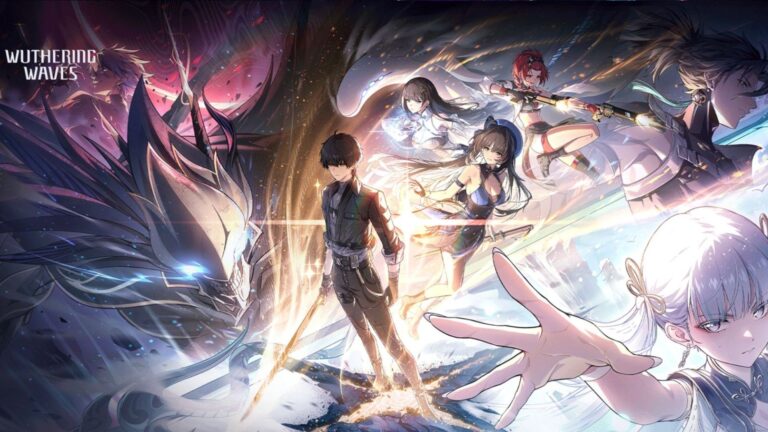
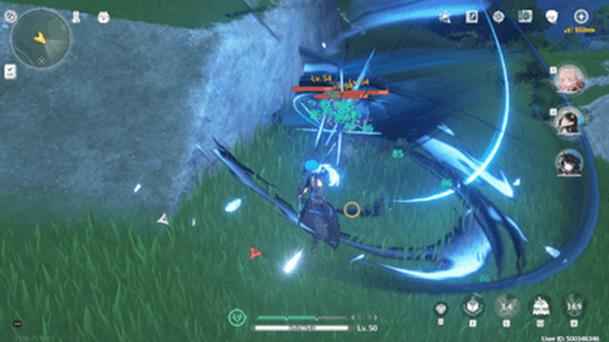
Gacha mechanics like the ones in Wuthering Waves have been refined across many generations of design iteration. The current best practices include published drop rates, pity systems that guarantee rewards after a certain number of unsuccessful attempts, and clear visual communication about the probabilities involved. These design choices have evolved because players punish games that violate them, often dramatically. The gacha genre is one of the most demanding test environments for RNG design, because the audience tracks every probability closely and discusses pull rates obsessively, and the steady flow of guides and build documentation reflects how deeply the community has internalized these probability mechanics.
Spin Blitz, a social gaming platform that designs its sessions around variance-based outcomes, has applied many of the same RNG principles that more traditional gaming categories have refined over years. The Spin Blitz online slots experiences the platform offers include the kind of clear feedback, visible progression and transparent variance that mature RNG design demands. The principles transfer across genres because the underlying player psychology is consistent: variance is acceptable when the player understands what they are interacting with and feels that the game respects their time.
Why competitive shooters reject RNG so hard
Competitive shooter players tend to be the most hostile to RNG mechanics of any major gaming audience. The reason is structural rather than cultural. Competitive shooters frame themselves as skill-based contests where the better player should win. RNG that affects the outcome directly contradicts that framing, which makes it feel like an intrusion rather than a feature. The same player who accepts crit chance in their role-playing game will reject identical mechanics in their competitive shooter because the framing of the genre is different, and the recurring PC Gamer commentary on RNG in competitive titles consistently documents how this same audience reacts across different genres.
How role-playing games make RNG feel rewarding
Role-playing games have a longer tradition of accepted RNG than almost any other genre. The reason is that RPGs frame variance as a feature of the world rather than a flaw in the contest. A critical hit feels like the world responding to the player's skill, not like the game cheating them out of a fair fight. The same RNG that would feel unfair in a competitive context feels rewarding in an RPG context because the player has already accepted that the world includes uncertainty. The framing is doing most of the work.
The role of feedback in RNG acceptance
The single biggest factor in whether RNG feels acceptable to players is the feedback the game provides about the variance. Games that show the player exactly what odds they are dealing with tend to be accepted even when the odds are harsh. Games that obscure the odds tend to be rejected even when the actual rates are generous. The transparency itself is what makes the player feel respected, and the absence of transparency is what makes them feel manipulated. Most of the RNG-related complaints in the past decade have been about transparency rather than about the odds themselves,.
Why some genres will always struggle with RNG
Genres that frame themselves around skill expression will always have an uneasy relationship with RNG. Fighting games, competitive shooters, racing games and chess-style strategy games all need to keep RNG to a minimum or accept ongoing audience friction. Genres that frame themselves around storytelling, exploration or collection have far more latitude. The framing is the determining factor, and designers who try to force RNG into the wrong genre tend to produce backlash regardless of how well-tuned the actual mechanics are.
Why understanding when RNG works defines the most respected game designers
The designers who have built reputations for handling RNG well share a common trait: they understand that RNG is not a single design choice but a family of choices that work differently in different contexts. The same variance pattern can produce satisfaction in one genre and outrage in another. The designers who internalize this distinction tend to produce games where the RNG feels like a feature regardless of the underlying odds. The designers who treat RNG as a single mechanic tend to produce games where the audience pushes back regardless of how generous the rates are. The difference is craft, and craft is what separates the games that build long-term audiences from the ones that flame out as soon as the player base figures out the math.